Life Skills Program in California for Mental Health Recovery
Life skills programs in California are essential to comprehensive mental health treatment, teaching practical abilities that support independent living and long-term recovery. These programs teach critical skills like communication, financial management, self-care, and daily tasks that many people with mental health conditions struggle with. At Laguna Mental Health, we know that real recovery goes beyond managing symptoms and requires real-world skills to thrive on your own.
Mental health recovery starts with compassion, personalized care, and an environment where you feel safe to heal. Life skills training at Laguna Shores Mental Health addresses the whole person by providing hands-on education in areas like budgeting, cooking, maintaining personal hygiene, and managing relationships. Without these practical foundations, even successful clinical treatment may not translate to sustained recovery in daily life.
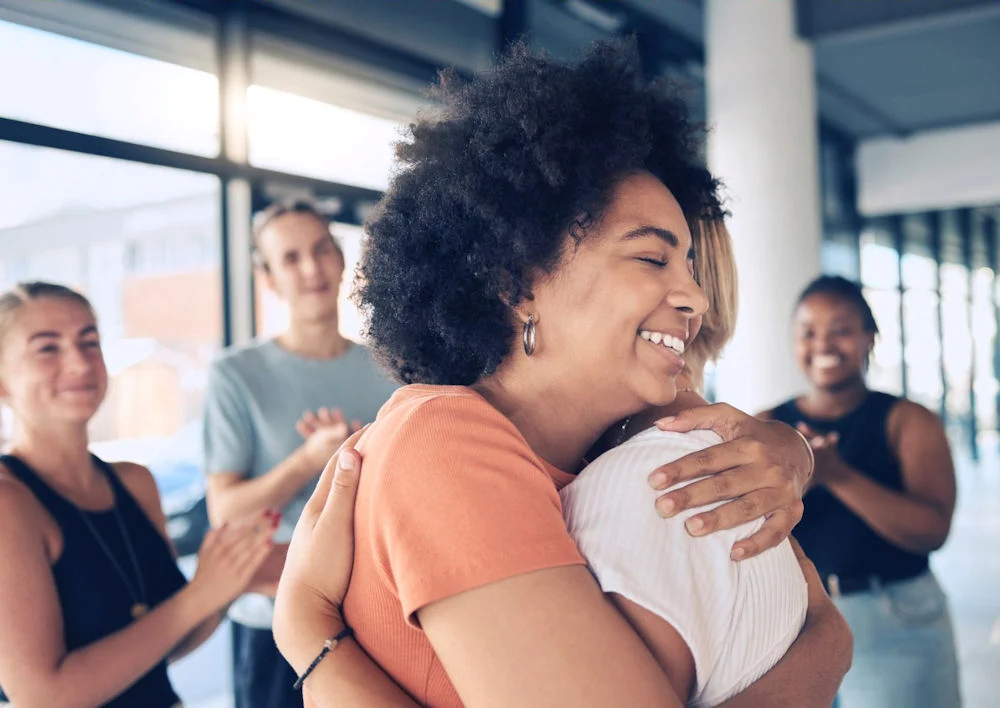
Life skills training in residential mental health treatment provides structured opportunities to develop abilities needed for independent living. Programs combine hands-on learning with therapeutic support, so you can practice new skills in a safe setting before returning to daily life.
Here’s what practical life skills training in residential treatment looks like:
- Structured Learning Environment: Designated times for skill practice with trained instructors who provide guidance and correction
- Progressive Skill Building: Beginning with foundational abilities like basic budgeting, before advancing to complex financial planning
- Peer Support Integration: Learning alongside others creates accountability and reduces feelings of isolation during skill development
In a residential setting, you’re free from the external stressors that usually get in the way of learning. You can focus entirely on learning new skills without juggling work schedules, family obligations, or housing worries. Programs usually cover multiple skill areas over several weeks. You’ll take part in cooking classes, financial workshops, and household management sessions as part of your weekly schedule.
What Skills
Will You Develop in Treatment?
Our life skills curriculum is tailored to your unique needs and goals. We use proven methods and structured programs to make sure you get the support you need to build practical skills for independent living.
Money management is a major source of stress for people with mental health conditions. Many adults struggle with budgeting, banking, and tracking expenses, and that stress can trigger anxiety and make symptoms worse. Life skills programs fill these gaps with practical financial education that reduces money-related stress.
You’ll learn basic budgeting techniques, like:
- Tracking Income and Expenses: Learning to monitor cash flow to avoid overdrafts and debt
- Prioritizing Spending: Identifying necessary versus discretionary spending to ensure basic needs are met
- Future Planning: Creating realistic monthly plans and understanding credit concepts
When you understand your finances, you feel more in control, and that reduces stress. Better financial management can lead to more stable housing, which is key to long-term recovery.
What you eat directly affects your mental health, which makes cooking skills essential for recovery. You’ll learn meal planning, smart grocery shopping, and basic cooking techniques. This helps you prepare balanced meals that support both your physical and mental health.
Cooking skills help with several recovery goals at once:
- Financial Management: Preparing meals at home costs less than restaurant food or prepared items.
- Social Connection: Shared cooking activities create social opportunities and build community within residential programs.
- Self-Care: The ability to cook nutritious meals independently represents a fundamental self-care skill.
You’ll learn to read nutritional labels, compare prices to stretch your food budget, and store food safely. At Laguna Mental Health, our cooking sessions start with simple recipes and build up to more complex meals.
Independent living covers a wide range of skills you need for everyday life. In our program, we teach practical skills like using public transportation, finding community resources, and accessing healthcare. You’ll learn time management, organization, household cleaning, laundry, and basic home maintenance. You’ll also practice scheduling appointments, refilling medications, and talking with service providers. These skills help you rely less on family members or case managers for everyday tasks.
We focus heavily on organization and time management because structure is key to mental health recovery. Stronger independent living skills can lead to better medication adherence and more stable housing. This often results in fewer crises over time.
Which Life Skills
Benefit Mental Health?
Life skills training builds practical abilities that directly support your mental health recovery.
Life skills programs help you manage the challenges that often come with mental health conditions. When you learn to handle daily tasks on your own, you feel less stressed, and that helps you regulate your emotions better.
When you master practical skills, you rely less on others for basic needs. Managing your finances, space, and daily routines helps reduce anxiety about living independently.
For example, knowing how to cook nutritious meals supports both your physical and mental health. Keeping your space clean and organized creates an environment where emotional stability can thrive. These practical skills build a foundation for independent living after you leave residential treatment.
Self-efficacy means believing in your ability to accomplish tasks and reach your goals. Life skills training builds this confidence through repeated practice and mastering real-world skills. Building practical skills increases self-confidence. This can motivate you to keep making progress in recovery.
Every task you complete successfully reinforces the belief that change is possible. Learning to cook a meal, use public transportation, or communicate well in tough situations gives you real proof that you’re capable. This growing confidence creates momentum for tackling other recovery challenges.
Life skills training works alongside individual therapy by helping you overcome practical barriers to recovery. Combining life skills training with traditional therapy often leads to better long-term outcomes. Programs that combine therapy with practical skill-building may have lower relapse rates and longer-lasting recovery than therapy alone.
The skills you learn during treatment carry over into real-world situations after you leave. When you can manage daily stress through practical problem-solving, you’ll experience fewer emotional crises.
How Life Skills
Training Supports Long-term Recovery
Life skills training gives you practical abilities that last long after you leave residential treatment. These programs teach concrete skills that directly affect your daily life. This includes financial management, meal planning, and time management. Combining life skills training with therapy creates a foundation for lasting recovery.
Programs that combine clinical treatment with practical skills help you manage symptoms and function better in the real world.
When your family gets involved, life skills training becomes even more effective. Family education sessions help your loved ones understand the skills you’re learning and how to support you at home. Setting goals together with your family creates shared expectations for your transition to independent living.
When your family participates in the learning process, they can encourage you and hold you accountable during tough times. This involvement helps you transition from the structured treatment environment back to community life.
We prepare you to return to your community by sharing local resources and helping you build connections. After completing treatment at Laguna Shores Mental Health, you’ll know how to access services like transportation, healthcare, and social support groups in your area.
Your aftercare plan is tailored to your specific needs and circumstances. Treatment teams work with clients to identify potential challenges in their home environment and develop strategies to manage them. This planning includes establishing routines, setting realistic goals, and creating backup plans for difficult situations.
Planning for aftercare fundamentally relies on strategies designed to prevent relapse. Clients learn to recognize early warning signs of mental health symptom recurrence and develop action plans.
Life skills development continues beyond residential treatment. Individuals adapt their abilities as life circumstances change, applying foundational skills to new situations.
At Laguna Shores Mental Health, we also share community resources to support continued skill building. Outpatient therapy, support groups, and educational programs offer opportunities to refine abilities and learn new techniques. A growth mindset supports long-term recovery success, viewing challenges as opportunities to develop new skills rather than failures.

Life Skills Programs
in Orange County, California
Located in Orange County, California, Laguna Shores Mental Health offers life skills programming as part of residential treatment in Laguna Niguel. Our facility combines evidence-based therapy with practical skill development to address both clinical symptoms and daily functioning challenges.
Orange County’s mental health landscape includes various community resources that complement residential life skills training. Individuals can access ongoing support through outpatient programs, support groups, and follow-up counseling. Contact us to learn more about our life skills program in California.

Life Skills
Training Programs FAQ
Most insurance plans cover life skills training when it is part of a medically necessary mental health treatment program. Coverage often includes skills training integrated into residential treatment.
The duration of life skills training varies by individual need and program structure. It typically ranges from several weeks to several months in residential treatment. Programs often cycle through core skill modules multiple times to ensure mastery.
Many life skills programs encourage family involvement through education sessions, practice opportunities, transition planning, and family therapy. Family participation helps reinforce skills learned during treatment and creates a supportive home environment.